
Letting the House Speak

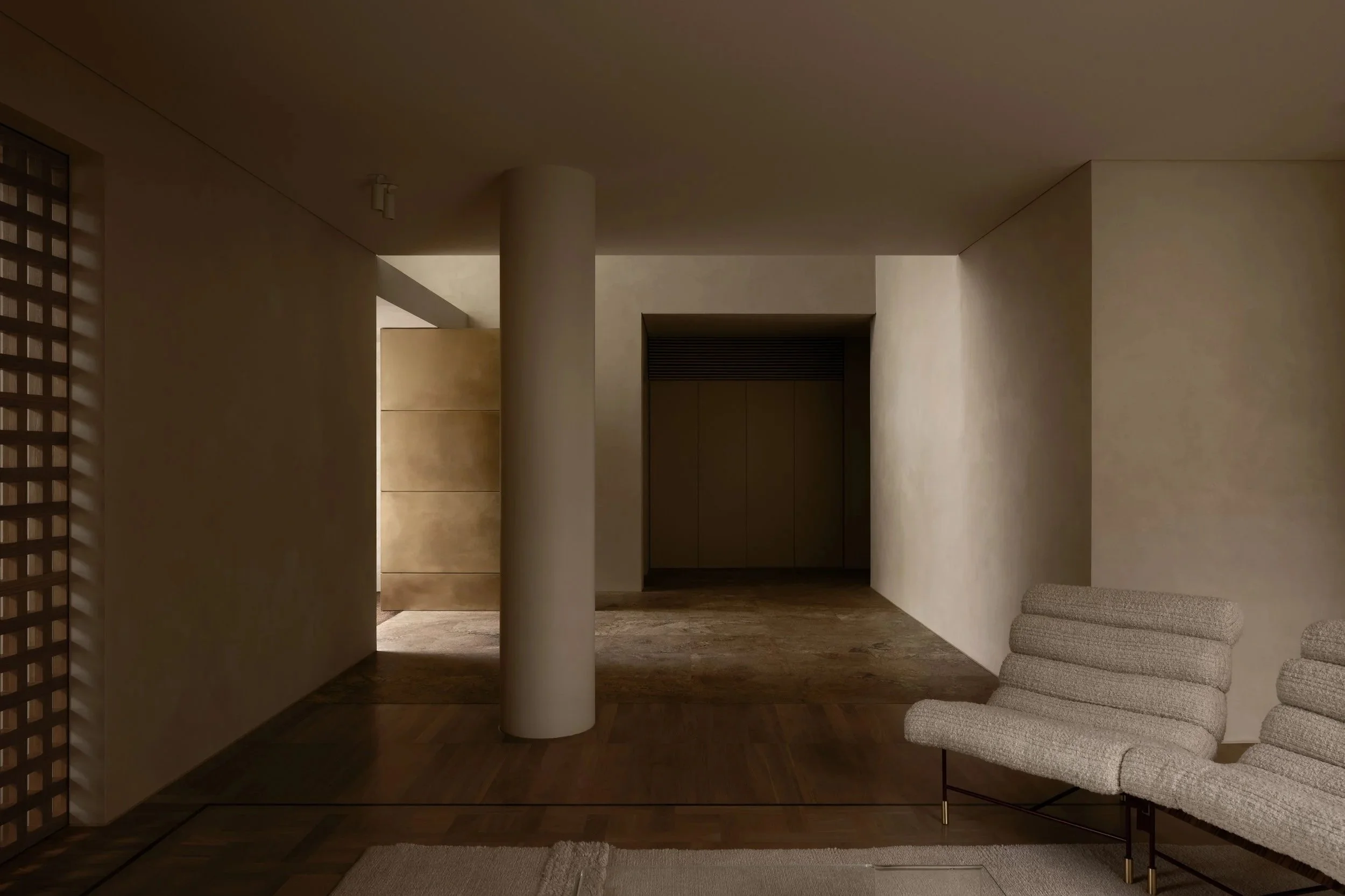
The best renovations do not begin with a new look. They begin with listening and observing.
A house that has stood for decades already contains something of itself - a presence, a mood, a particular relationship to light, garden, street and sequence. Even where it is awkward, altered or unresolved, there is often still an underlying dignity to it. Age gives a house certain advantages. It may sit within an established garden. Its proportions may feel settled. Its walls, openings and setbacks may belong naturally to the street in a way that is difficult to recreate. Even buildings that are not conventionally beautiful can possess a kind of charm simply because they have endured.
Inside, that character is often carried through in quieter ways. Smaller openings, thicker walls, skirtings, cornices, ornament, compressed rooms or more formal thresholds can create an experience very different from contemporary space. This does not mean everything should be preserved untouched. Nor does it mean every original detail is inherently good. But it does suggest that renovation should begin with respect for what is already there, rather than with the urge to overwrite it.
Often, the first task is not addition but clarification.
Some houses remain close to their original condition. Others have been altered repeatedly, with each renovation leaving behind a different layer of compromise. In those cases, the work is often as much about undoing as it is about making.
Confused planning, cosmetic upgrades and heavy-handed extensions can leave a house feeling fragmented, no longer fully itself, but not convincingly transformed either. Before any architectural language is imposed, there is a need to find order again.
That process is partly practical. It may mean opening up where needed, closing down where appropriate, or rethinking how the plan supports daily life. It may mean improving utility, restoring clarity to circulation, or finding a more coherent relationship between old rooms and new uses. But it is also more intuitive than that. It involves allowing the house to reveal what matters.
In that sense, a good renovation is not an act of invention so much as an act of recognition.
This is why restraint matters. Not as an aesthetic posture, but as a way of working with sincerity. When an architect approaches an existing house too forcefully, the result can feel insincere - either overly eager to mimic the past, or too determined to dominate it. Both tend to diminish the building. In period homes, this can show up through questionable upgrades: ornamental additions that were never there, inappropriate roof tiles, overly worked surfaces, or new materials that call too much attention to themselves. Elsewhere, it appears in extensions so assertive that they overwhelm the original building and leave its retention feeling almost incidental.
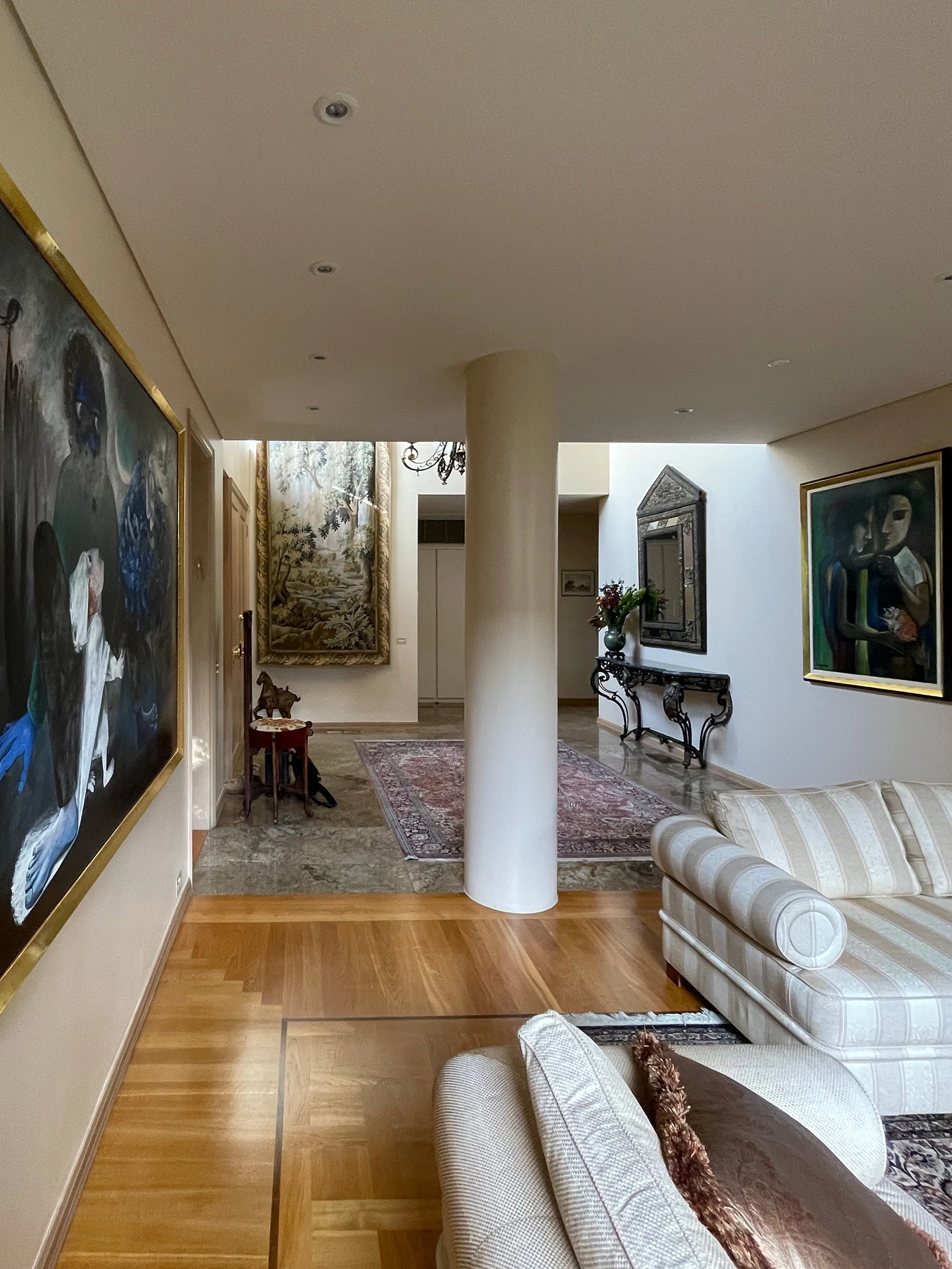
A more considered approach asks for a deliberate conversation between old and new.
That conversation will be different every time. Houses vary enormously in age, character and condition, and there is no single formula for what should remain or how the new should appear. For us, the most useful position is to be as open-minded and as gentle as possible. To keep what can genuinely be retained. To restore where that is appropriate. To let the original building remain legible. When the architect’s ego is set aside and the house is properly respected, the result is usually more convincing. It is more sincere, often more distinctive, and very often more economical as well.
What the new work should add is not a replacement identity, but the spaces and qualities the house is missing. Often that means better connection to outdoor space, more light, improved storage, clearer planning, or a stronger relationship between formal and informal areas of life. Sometimes the intervention is substantial. At other times it is more like a refurbishment, focused on finishes, services, lighting, kitchens, bathrooms and the quiet upgrading of how the house performs. The scale changes, but the principle does not. The aim is to make the house more complete without making it less itself.
This is where renovation can achieve something that a new build often cannot. It can retain warmth, individuality and patina while also accommodating contemporary life with greater ease.
The final result may be more subtle than a new house, but it is often richer for exactly that reason. It carries memory. It accepts irregularity. It allows character to survive alongside change.
When a renovation is successful, that success is usually obvious. The original feels not only retained, but understood. The new work flows from it naturally. It responds to the existing scale, materiality and detail without imitating them too literally. It introduces spaces, outlooks and forms of amenity that the house could not previously offer, but does so without strain. Old and new sit together with a kind of ease. Neither tries to cancel the other out.
That, ultimately, is what people should look for when choosing an architect for this kind of work. Not simply a style they admire, though that matters. More importantly, they should look for someone who is genuinely interested in engaging with the house. Someone willing to work with what is there rather than against it. Someone who understands that the best outcome rarely comes from imposing a ready-made answer, but from paying attention long enough for the right response to emerge.
Related projects: Prahran Residence, LDS II Residence, GG Residence
Related pages: Residential Architecture and Interiors.
Photography by Timothy Kaye.
