
Travel as Architectural Education

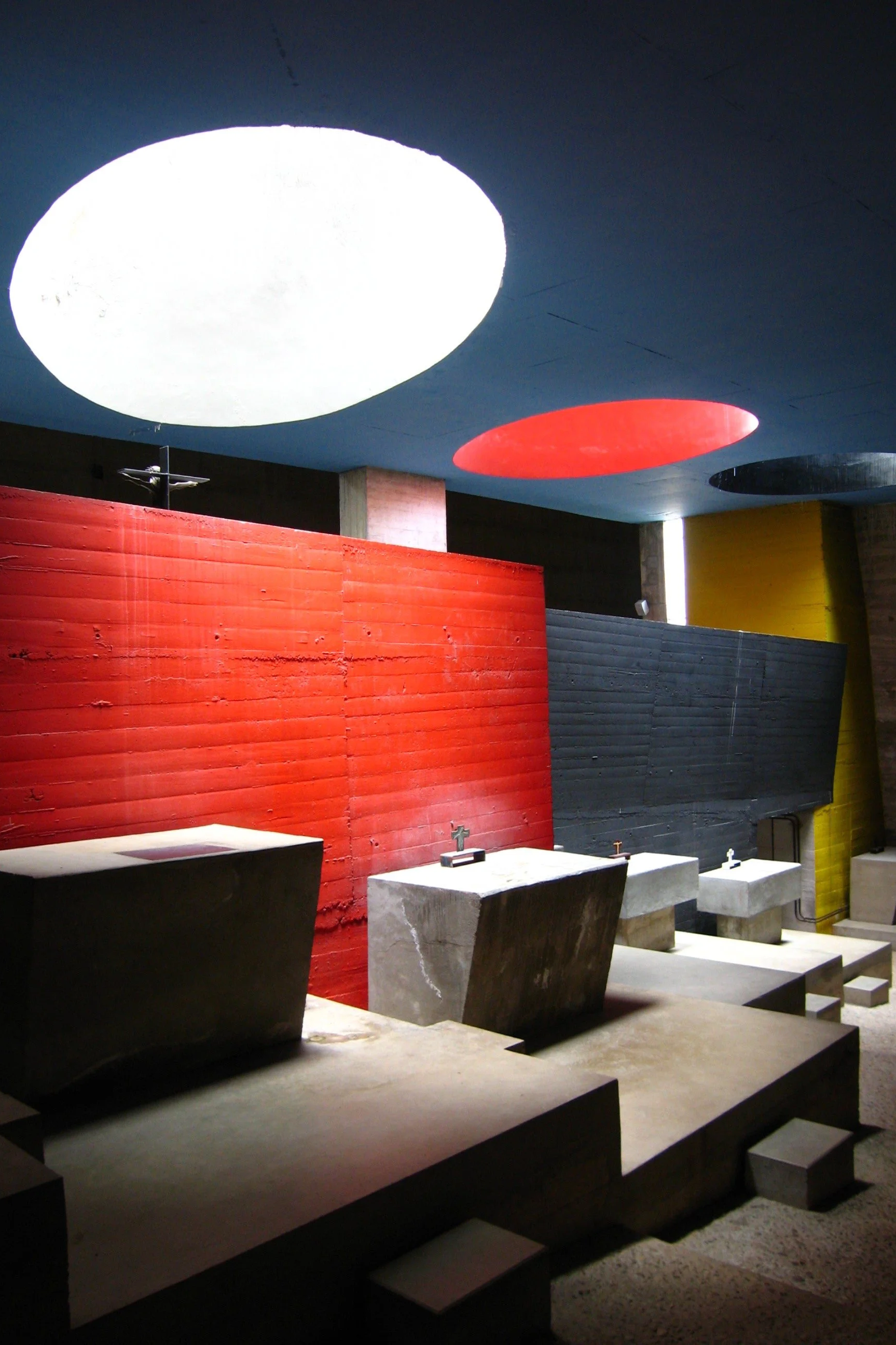
I was recently interviewed by Elana Castle for an article in The Age about travel, design inspiration and the ways our experience of place shapes how we think about home. It was a conversation that stayed with me, because travel has long been central to how I understand architecture, first as a student and now through practice.
As I said in the piece, travel served as a series of pilgrimages for me as an architecture student, and it remains a deeply informative pursuit. What I have come to value most is not travel as escape, nor even as inspiration in a superficial sense, but as a form of education. It teaches you to see architecture properly, not as an image, but as something embodied. Something inhabited, touched and remembered through light, weather, sound and time.
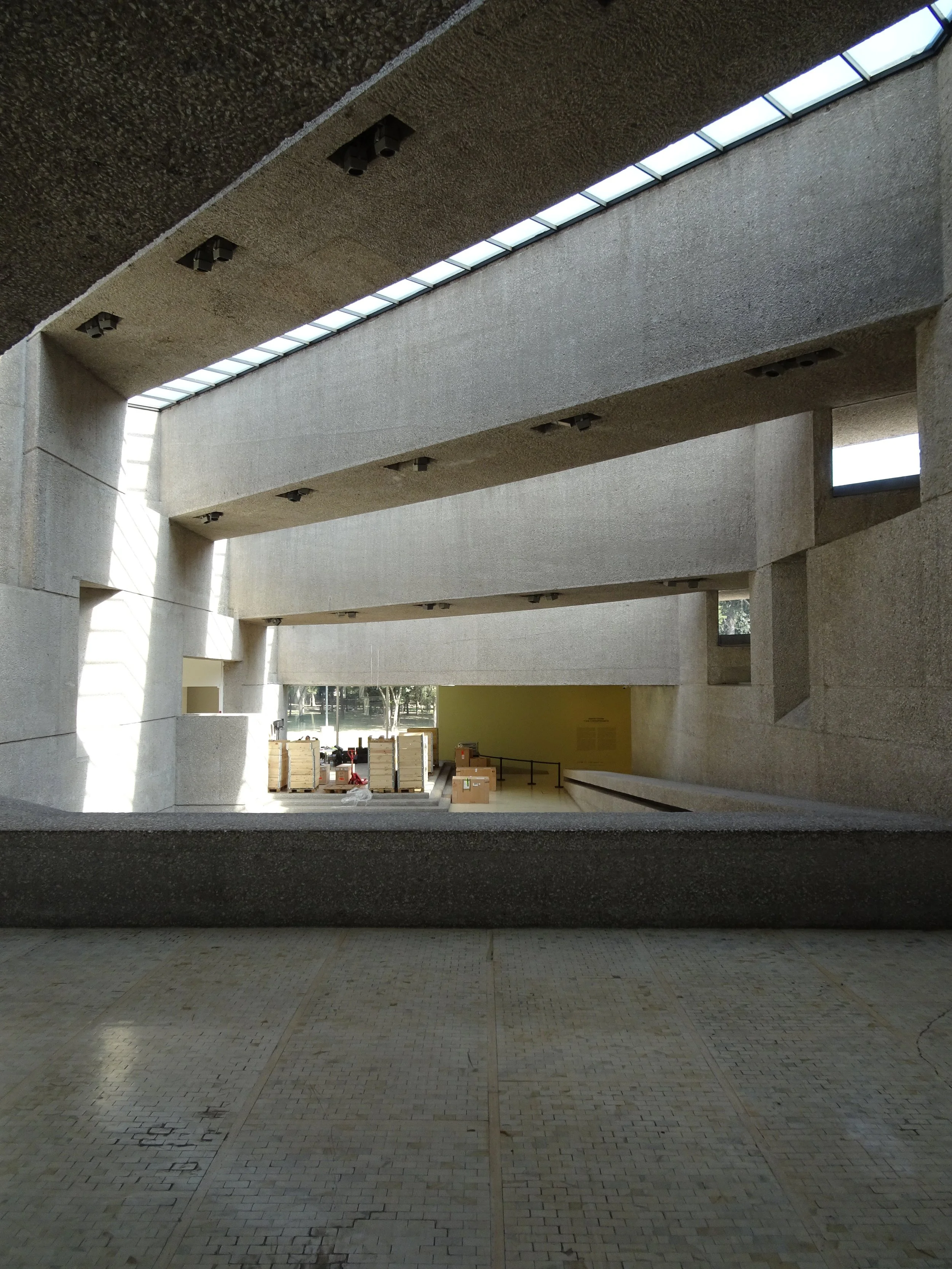
This feels increasingly important in a culture where architecture is so often reduced to imagery. Buildings are flattened into photographs and judged by immediacy. What gets lost are the qualities that make architecture meaningful: the weight of a wall, the way a threshold compresses or releases, the dimness of a corridor before it opens into light. These are not things that can be understood from a screen. They have to be encountered.
Travel does not educate by offering a catalogue of forms to borrow from, but by refining judgment. It sharpens your understanding of atmosphere, proportion, sequence and material presence. It makes you more attentive to what endures and less interested in novelty for its own sake.
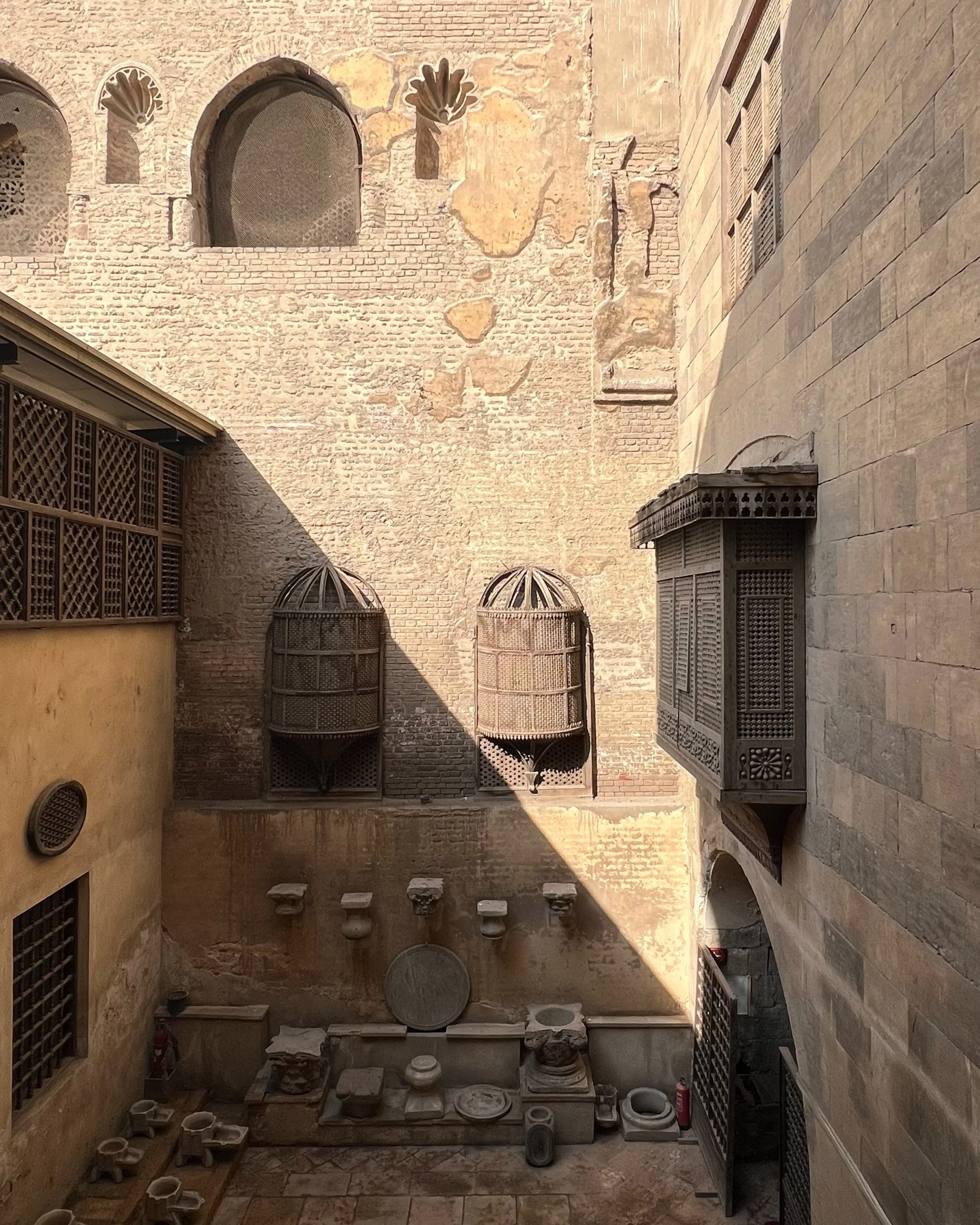
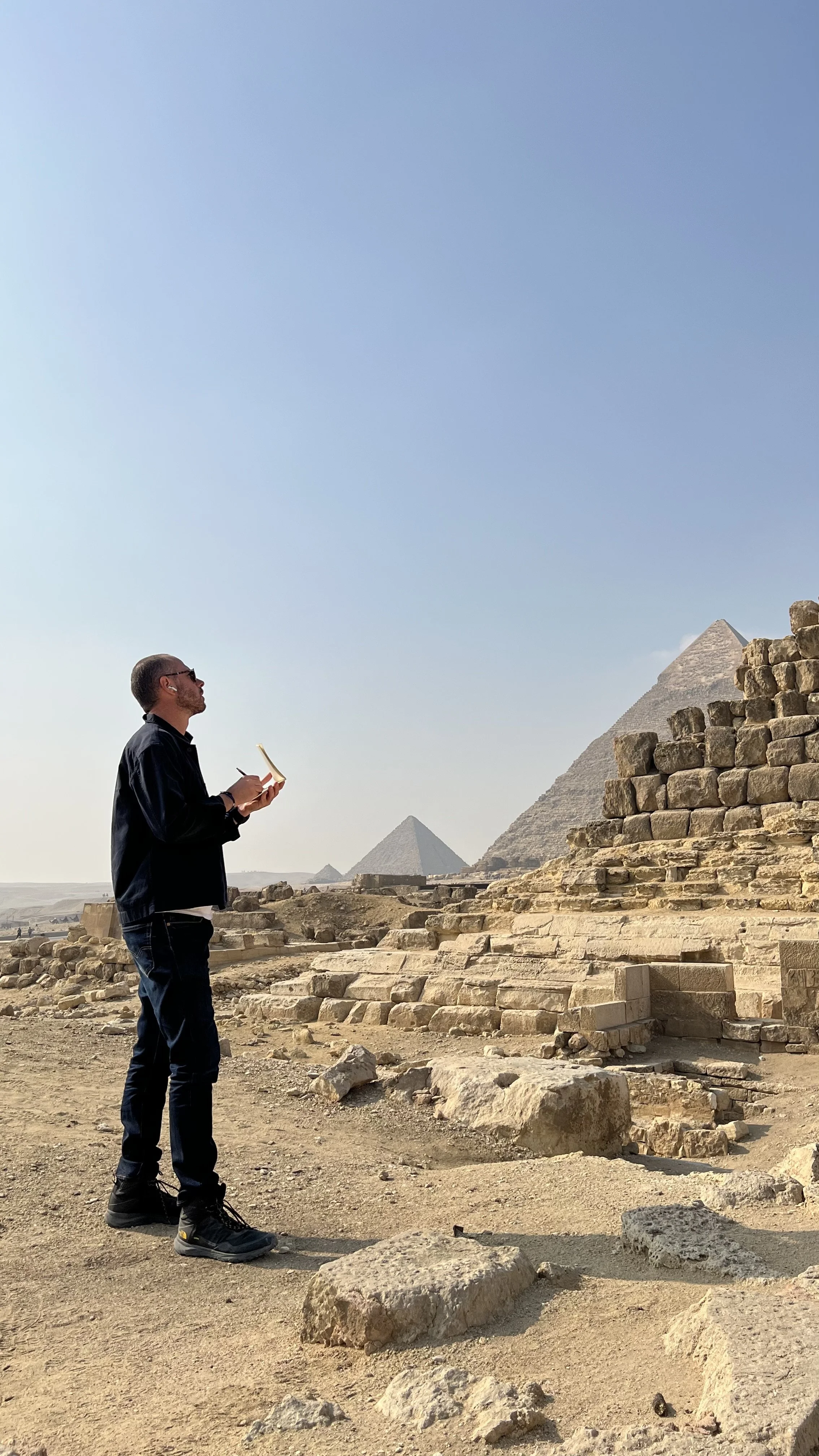
Much of what has stayed with me has come not from monuments alone, but from vernacular architecture, ruins and places shaped slowly over time. Travelling through Morocco, Israel, Egypt, Peru and Italy, I found myself drawn to buildings where material honesty and endurance were inseparable from beauty. Those experiences reinforced the idea that architecture is most convincing when it feels necessary, grounded and able to age with dignity.
Travel also teaches you how architecture is revealed. The most memorable spaces are often those that unfold with restraint. A narrow entry, a bend in a path, a darkened threshold, a courtyard that appears gradually. These moments stay with you because they involve the body as much as the eye. They remind you that architecture is a sequence before it is an object.

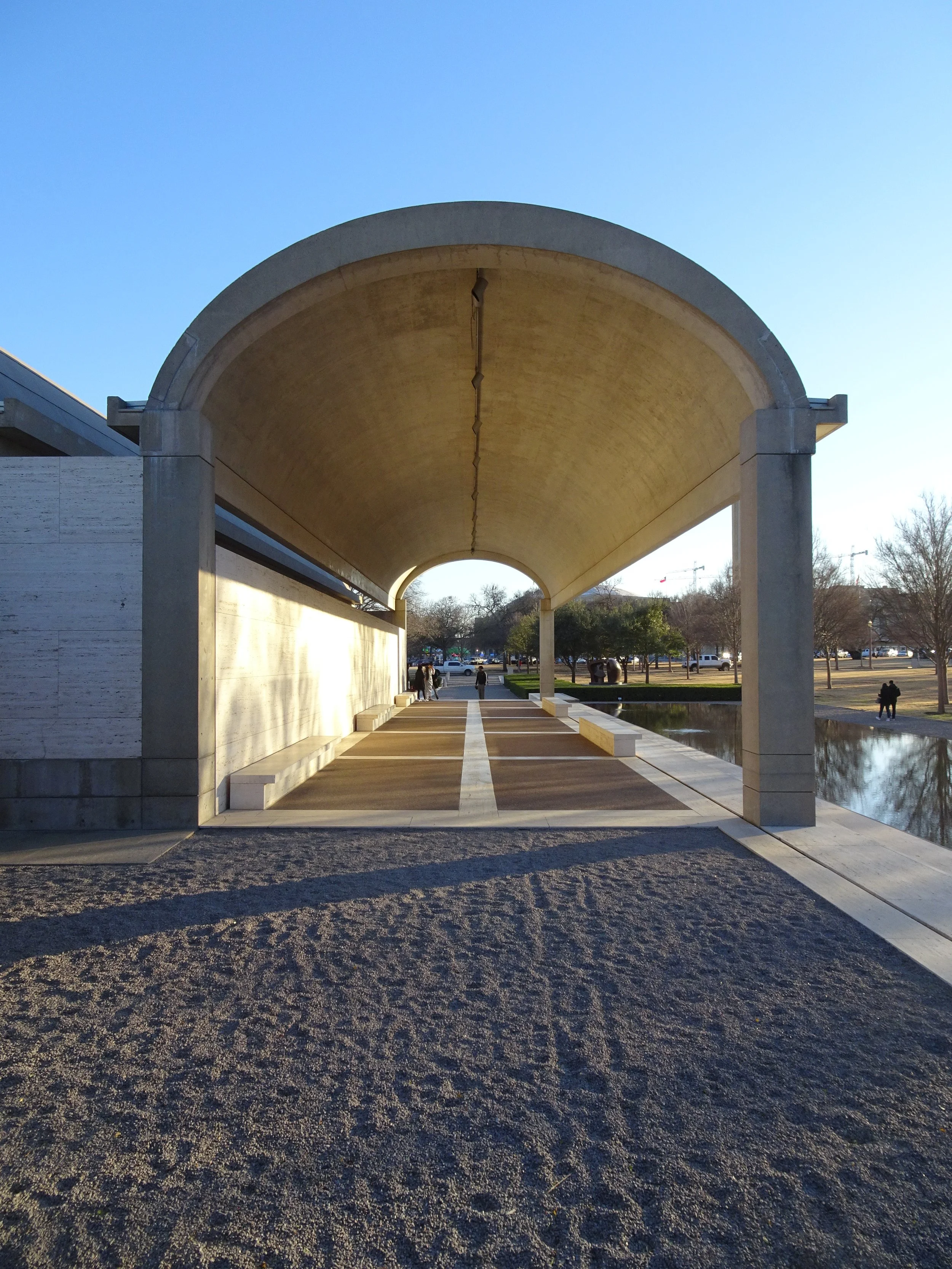
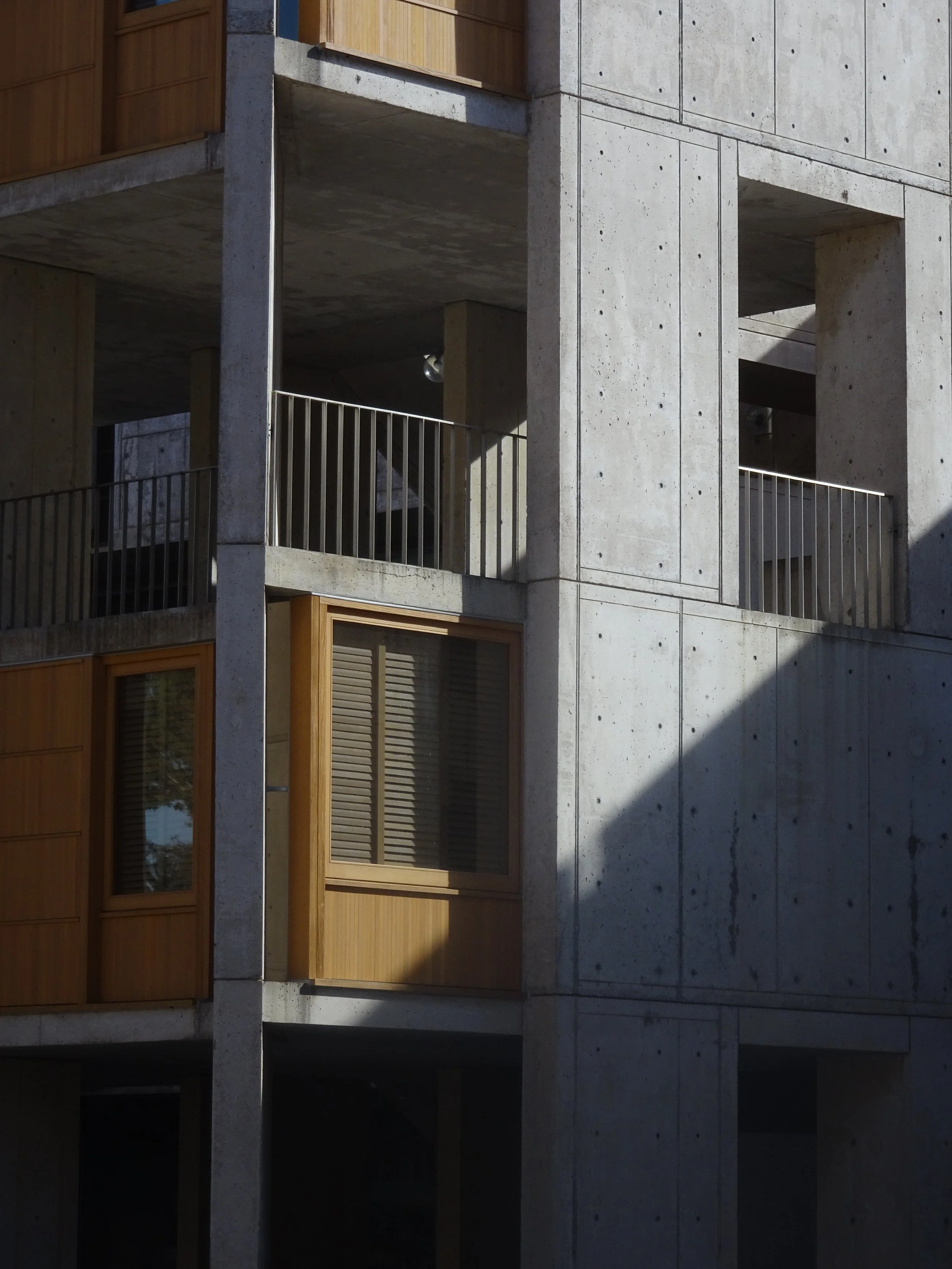
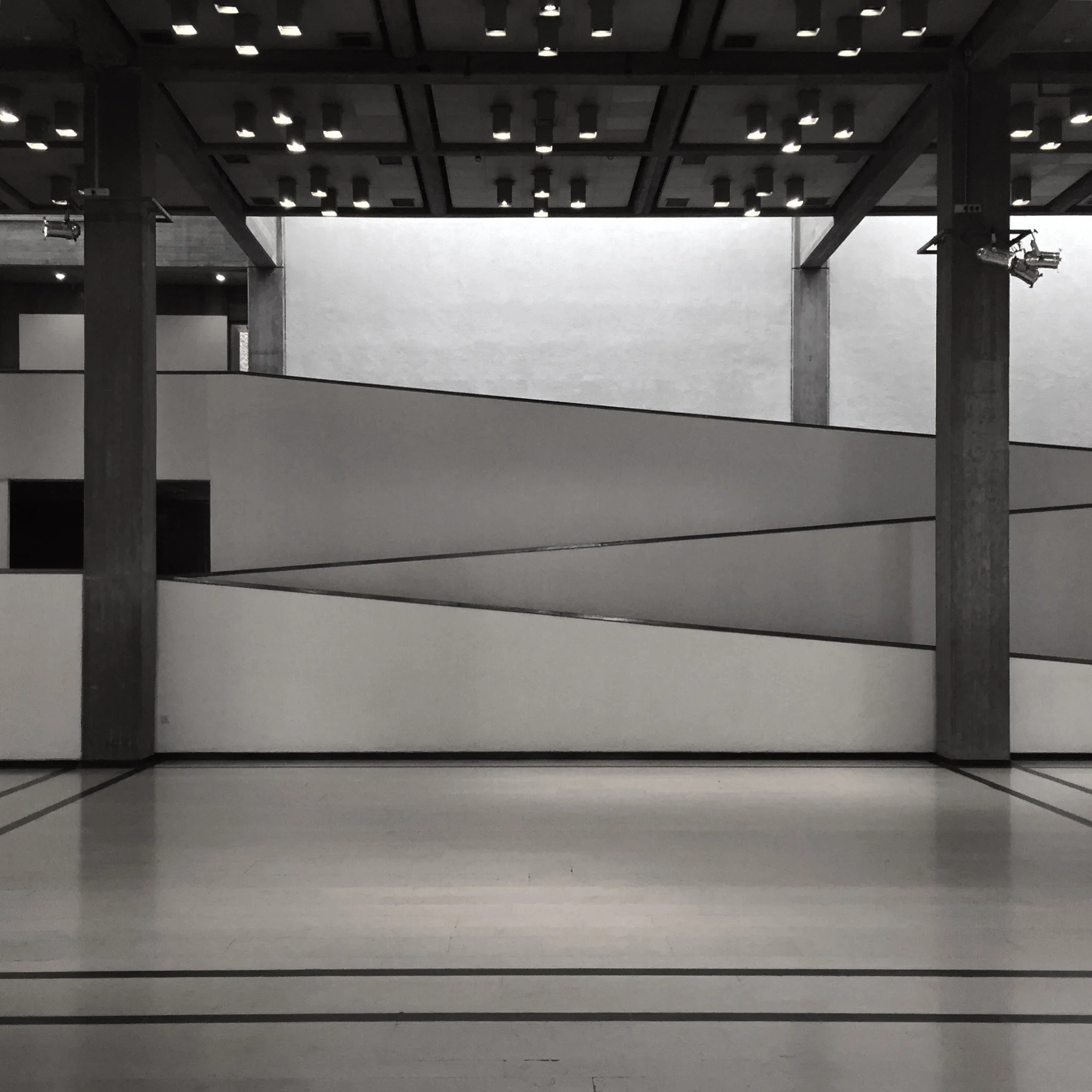
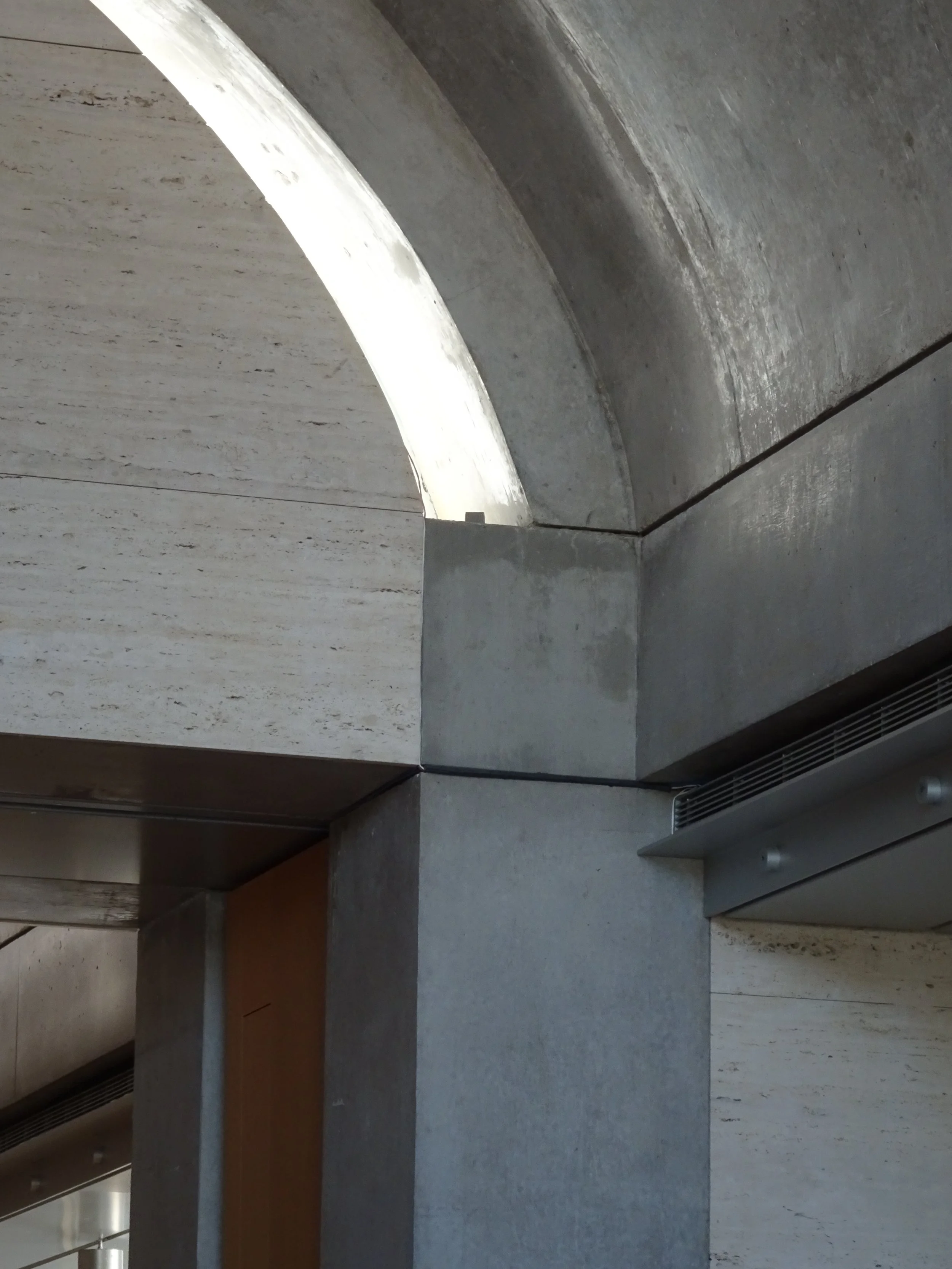
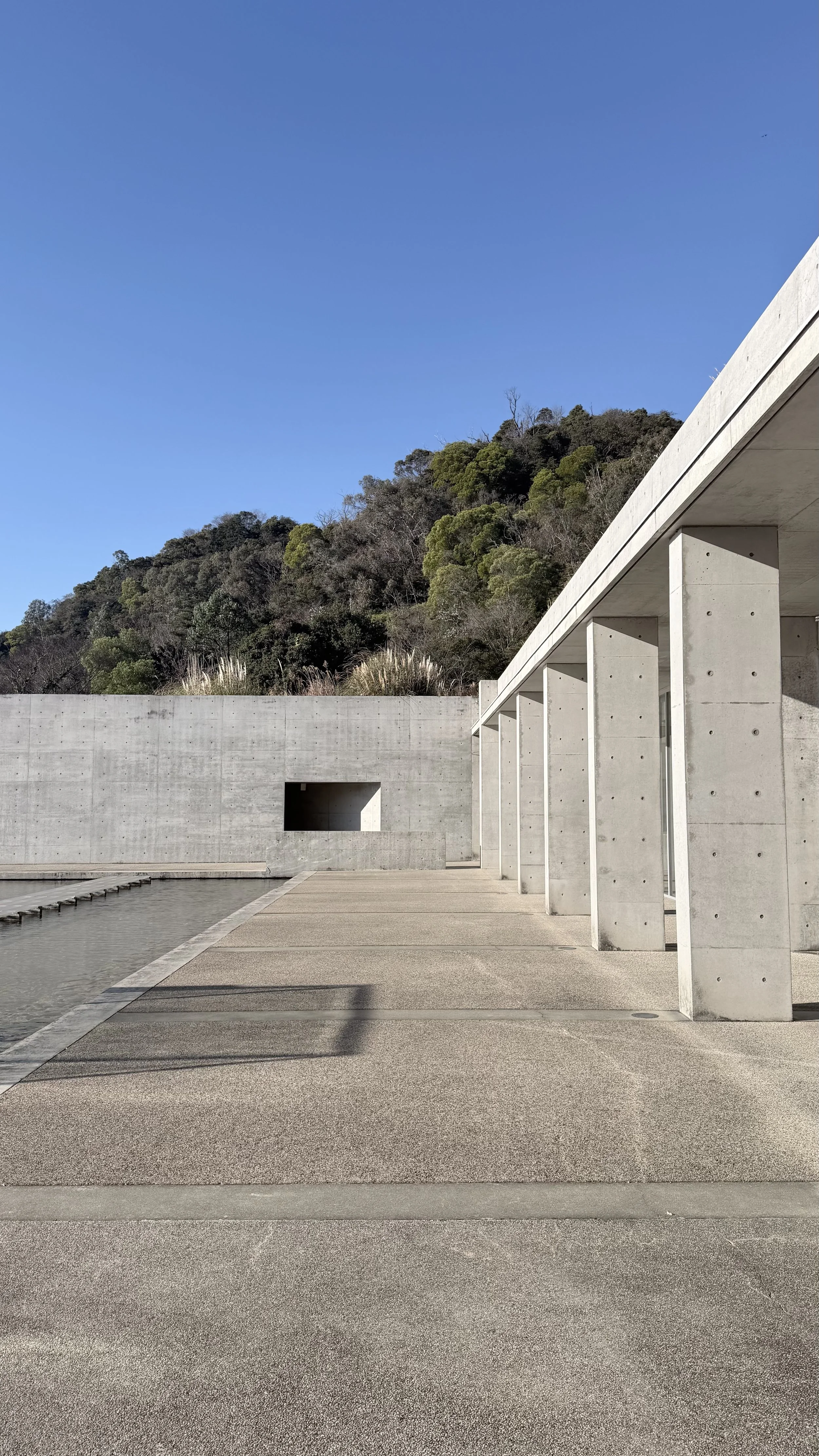
That lesson has remained central to my own work. In the article, I spoke about examining Tadao Ando’s work in Japan, particularly on Naoshima, and how instructive it has been to study the way he controls the experience of entering a space. Doorways, in particular, have become emblematic of how I think about design. They are never simply a point of access, but the beginning of atmosphere and orientation.
When considered carefully, a doorway can compress, conceal, frame, delay or release. It prepares the body for what comes next and heightens awareness of shadow, sound, texture and temperature. In that sense, it contains many of the questions travel teaches us to ask of architecture more broadly.
This is where travel becomes more than reference gathering. The more seriously one travels, the less inclined one is to copy. What it offers instead is a more disciplined eye. It reveals the difference between effect and atmosphere, between abundance and potency. Often it is the sparing use of material that gives it weight. A single stone wall, a dark timber opening, a carefully lit passage can carry more presence than a room full of gestures.
For this reason, travel continues to shape how I think about materials in practice. Most materials are more powerful when used with restraint. They are allowed to weather, to gather shadow and to reveal texture slowly. The buildings that endure are rarely those that announce themselves most loudly, but those whose materials have been chosen with conviction and allowed to age into themselves.
Perhaps that is the deeper lesson travel offers architecture: not style, but perspective. It reminds us that the best buildings are not composed only for the moment of completion. They are made to be lived with, approached repeatedly and understood more fully over time.
To travel well is to become more attentive to that kind of architecture. It is to learn not only by looking, but by moving through buildings and carrying them with you afterward. For an architect, that is a form of education that never really ends.
Related reading: Before you renovate, visit these destinations for the best in design inspiration - Elana Castle, The Age
