

I was listening to a podcast today. Not on architecture. I tend to avoid design content when I am trying to switch off because it leaves me more agitated than relaxed. But one word in this unrelated conversation caught me: temporariness. It stayed with me. The term is both fleeting and grounding, a reminder that the moment is always moving and yet still available to be noticed. Thinking in terms of temporariness lifts you out of distraction, then returns you to the present with greater clarity.
We move quickly. We rush from task to task, place to place, absorbed in our screens and the immediacy of what is required. It feels like presence, but it is not. We are attentive to the task rather than the atmosphere. The mind is full, but not mindful.
Temporariness reveals how the here and now is always shifting. Sometimes this is dramatic: a storm breaking open the sky, a burning sunset, a full moon rising. These moments grip us, then fade.
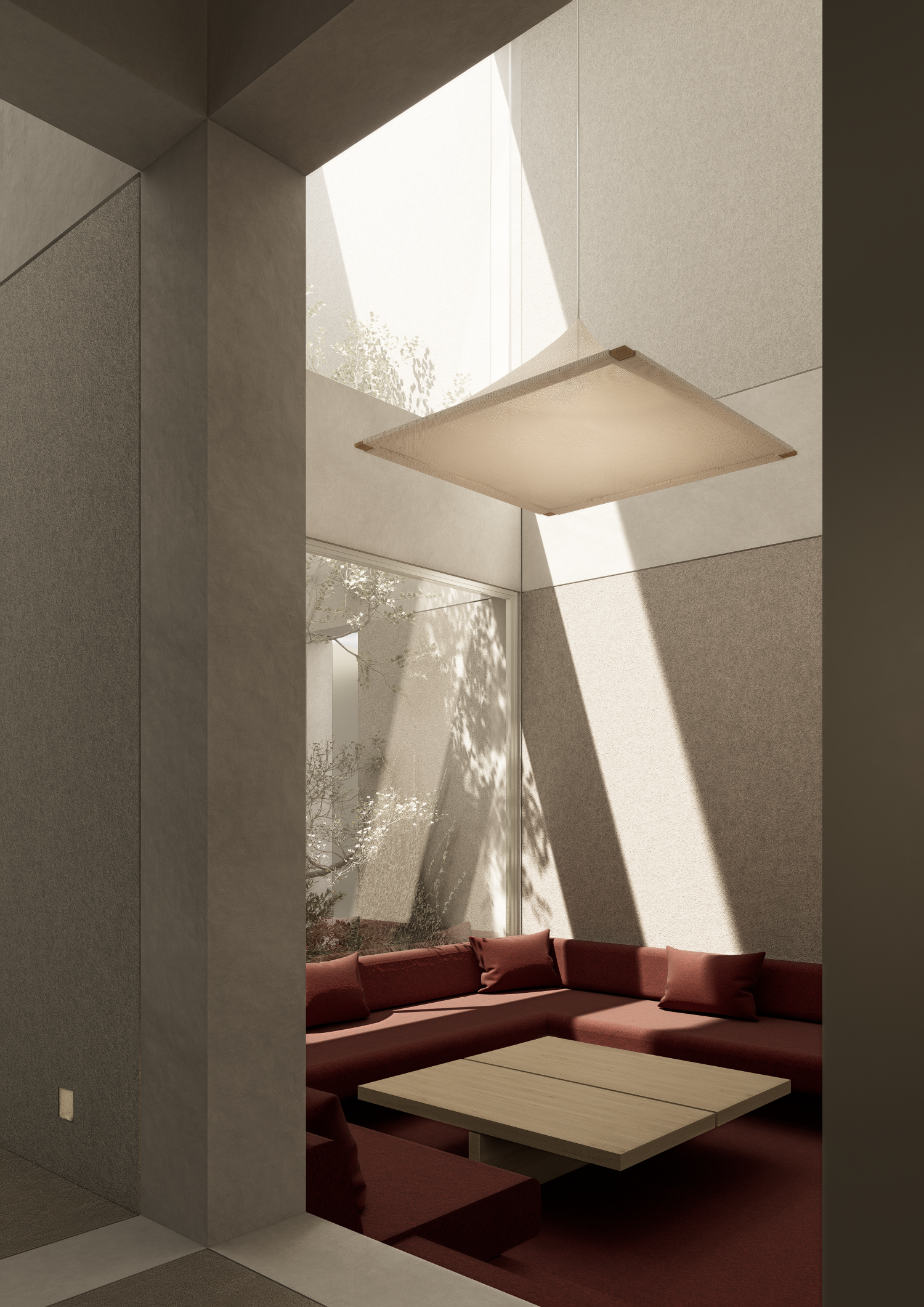
More often, temporariness is subtle. A cloud softening the light. A quiet shift in colour from morning to afternoon. The slow movement of leaves casting patterns across a room. These small changes are where most of life unfolds.
Architecture becomes meaningful when it is designed to receive these shifts. A walled courtyard that captures the movement of the weather and turns the sky into a kind of theatre. A large skylight that frames the heavens and makes passing clouds legible. A deep reveal that slows the transition from inside to out. These elements anchor us by giving form to what is otherwise easy to overlook.
To design with temporariness in mind is not to seek spectacle. It is to make the ordinary visible again. It restores the capacity to notice the world as it changes around us.
The temporary is always there. Architecture, at its best, helps us stay conscious of our place within it.
