
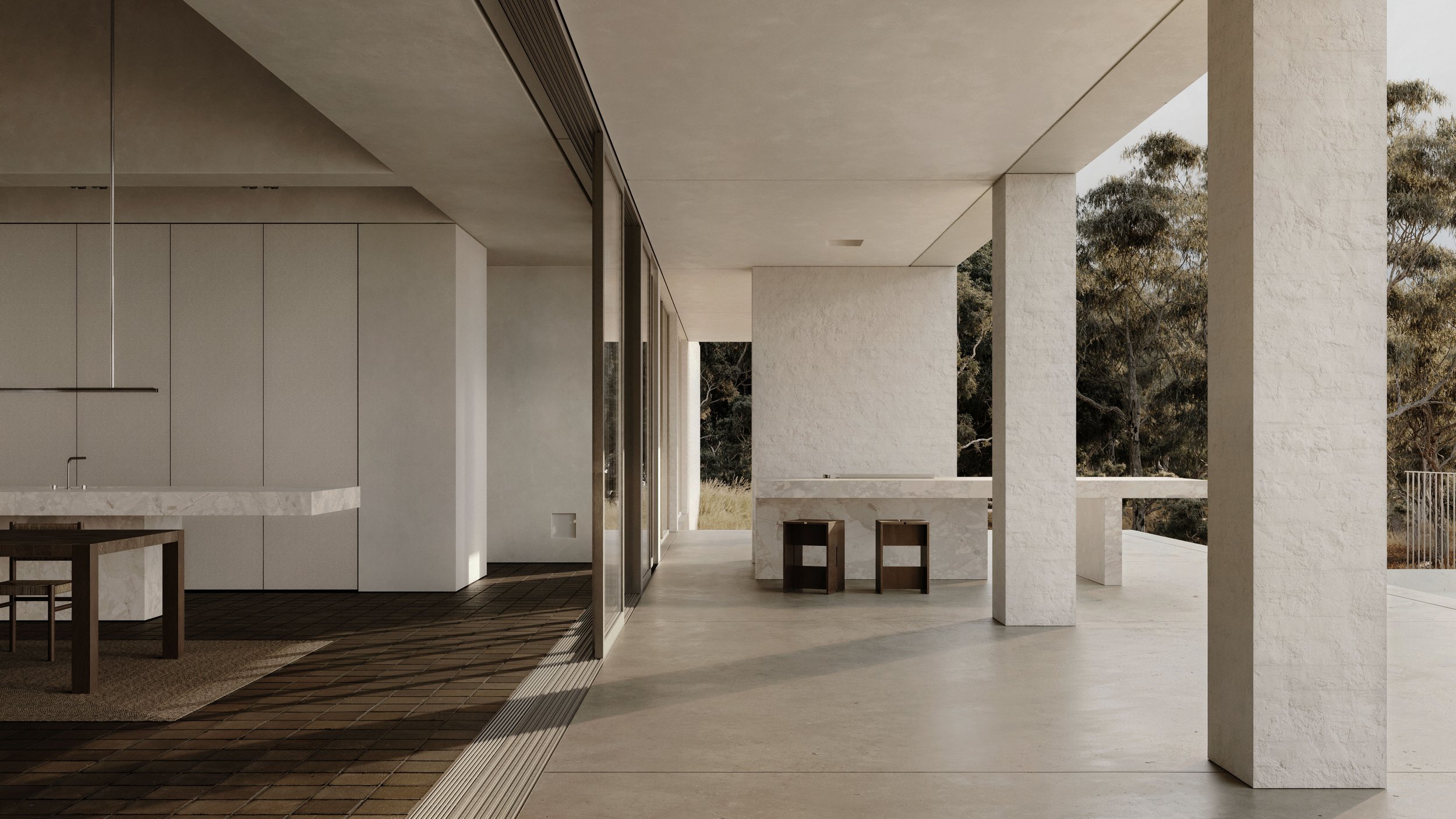
Longevity and Performance
We think about sustainability as longevity and performance. Not as a badge, but as the discipline of designing for life now and life later. Buildings should weather with dignity, settle into their setting, and remain convincing over decades.
Performance begins with light, shelter, and orientation. It is refined through calibration rather than excess, through durable material choices, and through details that hold their line over time. The goal is comfort and clarity, achieved quietly.
This is how we approach long-term value in residential architecture. Fewer materials, carefully resolved. Shade where it matters. Light where it is needed. Homes that become more familiar over time, not more tired.
What performance means in practice
Good performance is not one feature or one material. It is the accumulation of many disciplined decisions, made early and protected throughout the process.
We look closely at:
orientation and exposure
natural light and controlled glare
cross-ventilation and calm interior comfort
thermal stability through planning, mass, and insulation where appropriate
durability in materials and junctions
maintenance, ageing, and what a building will look and feel like in ten and twenty years
Some projects call for specific technologies. Others benefit more from simple, well-composed architecture that reduces reliance on mechanical systems. The intent remains the same: comfort, longevity, and quiet performance.
Durability, materials, and ageing well
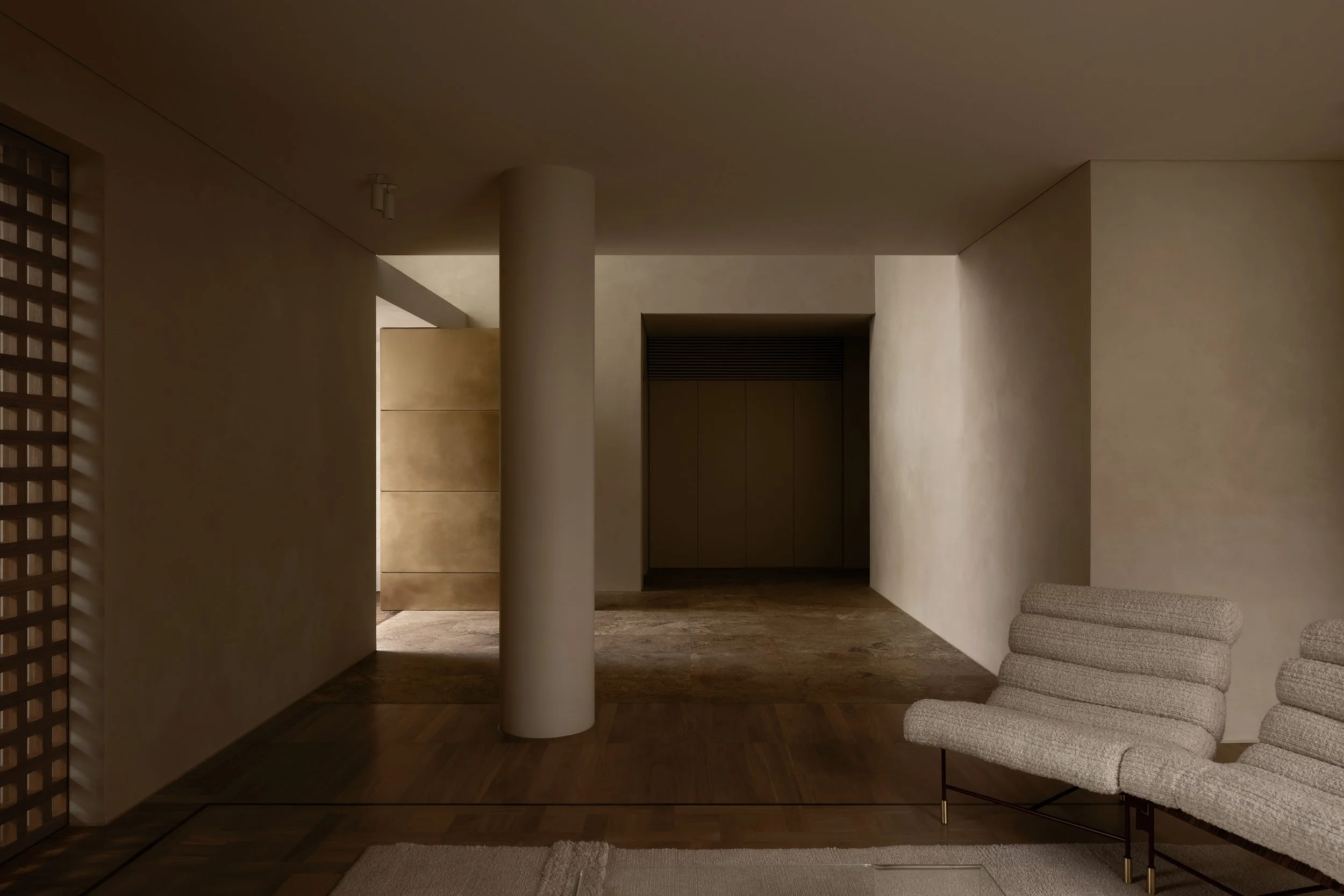
LDS II Residence
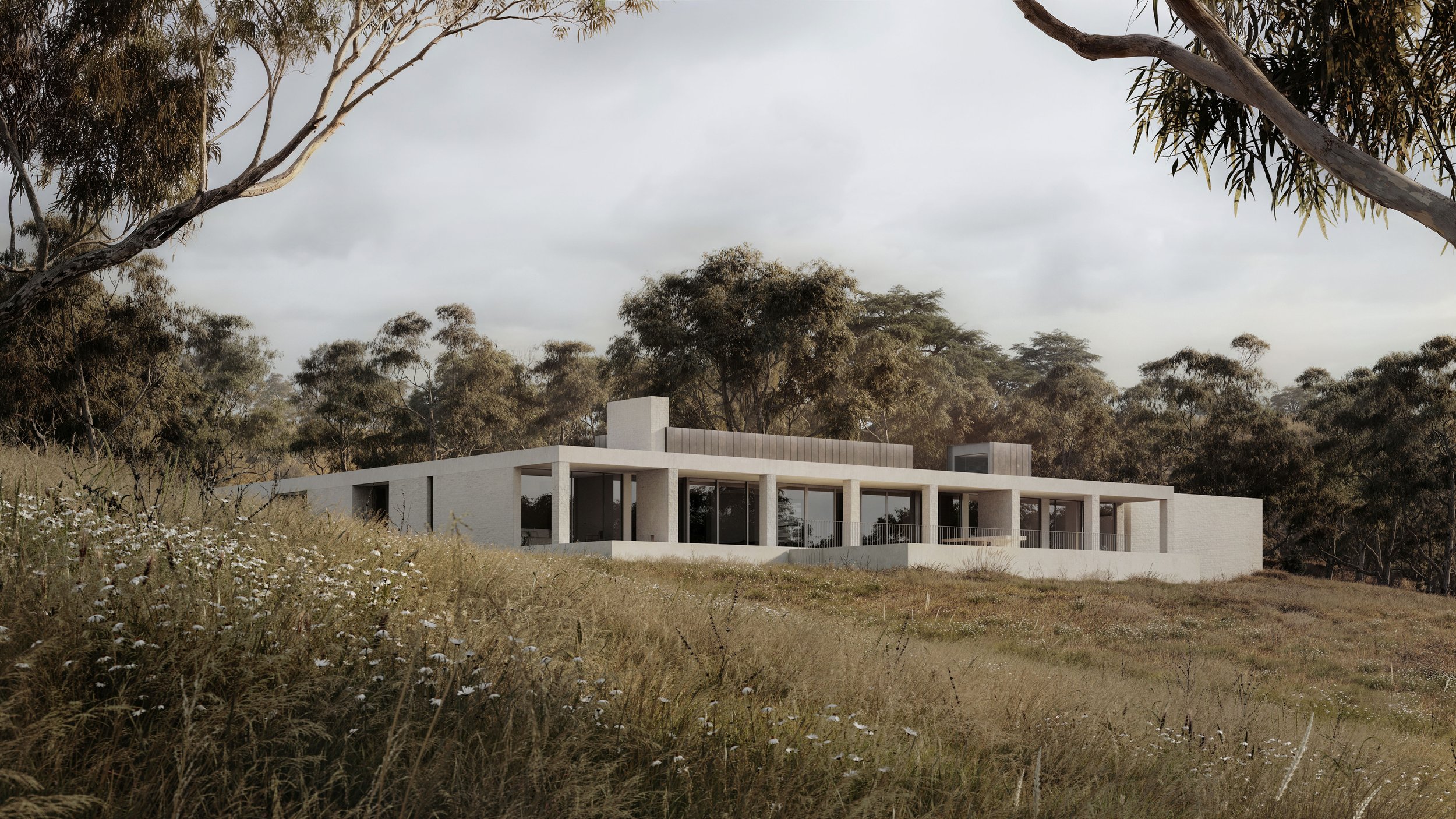
HMM Residence
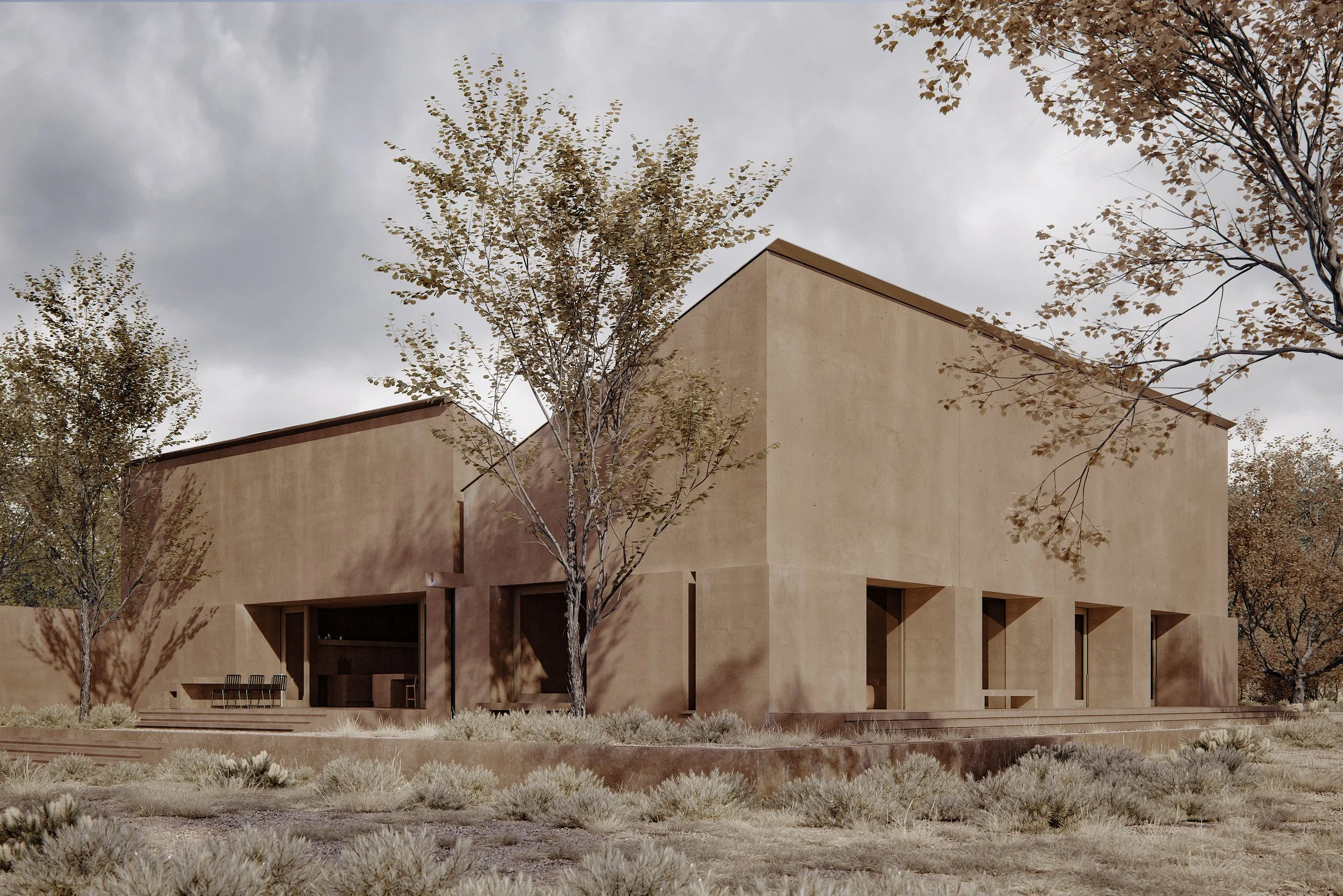
LPS Residence
A building that is designed to age well is rarely the one chasing novelty. Longevity comes from restraint, from materials chosen for how they weather, and from details that can hold their dignity under use, sun, and time.
We favour resolved, limited palettes. Not as a style, but because fewer materials demand more care and produce clearer outcomes. When proportion and light do the work, the architecture feels calmer and lasts longer.
Long-term thinking, without a checklist
Performance is often reduced to a list of claims. We prefer to describe it as responsibility over time. The practical aim is to reduce waste and regret by designing with clarity, buildability, and durability in mind.
Where it suits the project, we can incorporate measures such as improved envelope performance, water management strategies, and efficient systems. But the foundation is always the same: orientation, shelter, careful planning, and disciplined detailing.
If you are considering a project and want to discuss longevity, performance, and material durability as a starting point, you are welcome to contact the studio to arrange an initial conversation.
Related reading: Time as a Material, Atmosphere as the Vessel for Life, Our Process.